
Root Canal Treatment in Manchester - Tomas Dental Clinic

Endodontics / Root Canal

What is a Root Canal ?

Root canal treatment, also known as endodontic therapy, is a dental procedure aimed at saving a severely damaged or infected tooth. When a tooth’s pulp (the innermost part containing nerves and blood vessels) becomes infected due to decay, trauma, or other factors, a dentist assesses the situation.

Common symptoms include severe toothache, swelling, and sensitivity to hot or cold. During the root canal procedure, the dentist numbs the affected tooth, removes the infected pulp, thoroughly cleans and shapes the root canals, and places a biocompatible material (usually gutta-percha) inside to seal them. Local anesthesia ensures a painless experience. The access opening is temporarily sealed, allowing the surrounding tissues to heal.

Finally, a permanent crown or restoration is placed to protect the tooth and restore its function. Root canal treatment offers benefits such as pain relief, tooth preservation, and a natural appearance. Aftercare involves maintaining good oral hygiene and attending regular dental check-ups to monitor the tooth’s health. Remember, if you suspect any dental issues, consult your dentist promptly! 🦷
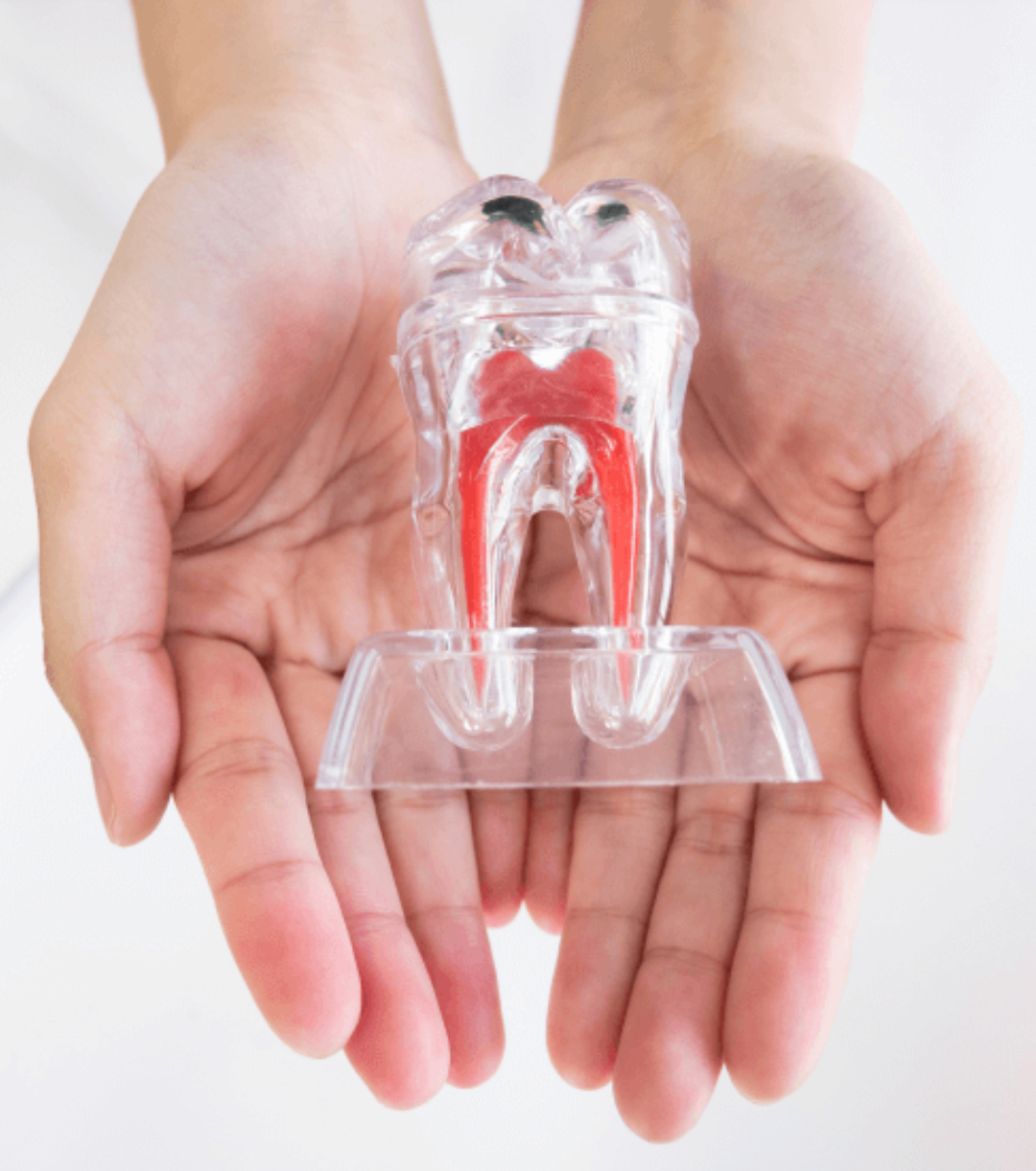
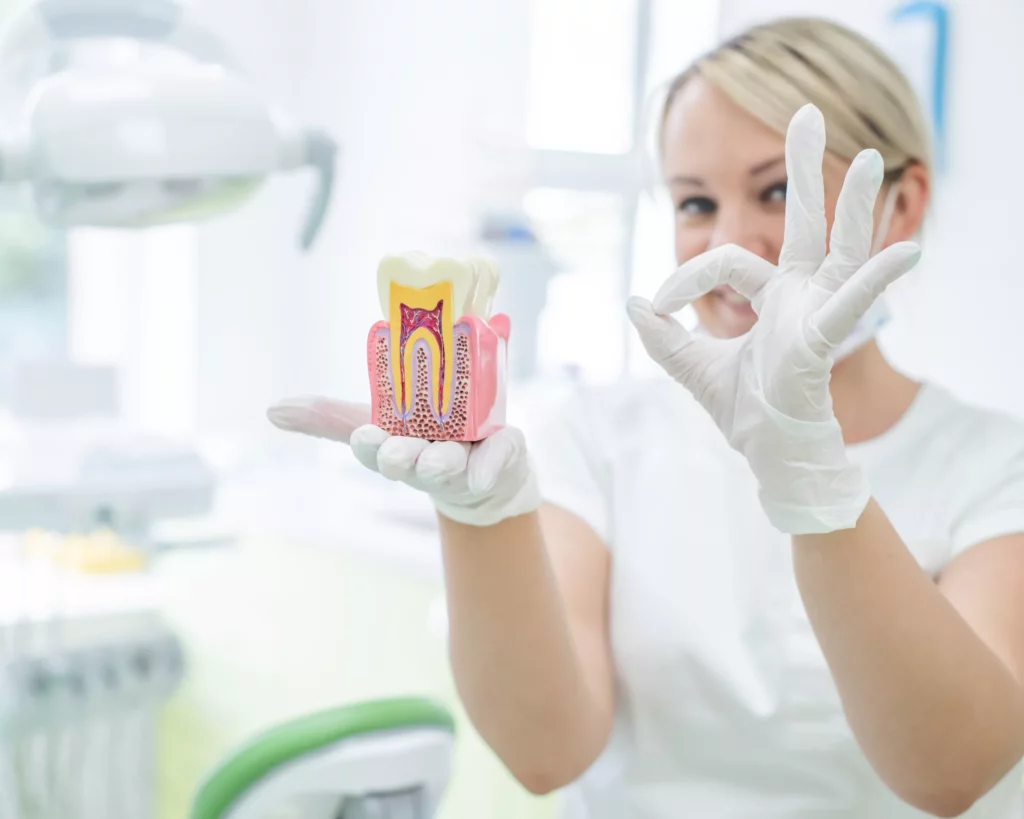
Why You Need Root Canal Treatment

Root canal treatment is essential when the pulp (the innermost part) of your tooth becomes inflamed or infected. Several factors can lead to this condition:Deep Decay: Extensive tooth decay can penetrate the enamel and dentin, reaching the pulp. The resulting infection causes pain and discomfort.Repeated Dental Procedures: Multiple dental treatments on the same tooth can weaken the pulp over time. Weakened pulp becomes susceptible to infection.Faulty Crowns: If a dental crown doesn’t fit properly or develops issues, it can lead to inflammation within the pulp. A compromised crown may allow bacteria to infiltrate the tooth.Cracks or Chips: Even if there are no visible cracks or chips, trauma to the tooth (due to injury or biting forces) can damage the pulp. Microscopic cracks can provide an entry point for bacteria.Without timely treatment, these issues can escalate, causing severe pain and potentially leading to tooth loss. Root canal treatment aims to save the tooth by removing the infected pulp, disinfecting the canals, and sealing the tooth to prevent reinfection. If you experience toothache or suspect any of these conditions, seek professional advice promptly.

Should I have a Root Canal or Extraction?

When faced with the decision between a root canal and extraction, it’s essential to consider the pros and cons of each option. Root canal treatment involves removing the diseased pulp from inside the tooth, cleaning and disinfecting it, and then filling and sealing it.

This procedure preserves the natural tooth structure, provides relief from pain or discomfort caused by infection, and avoids the need for extensive restorative treatments like bridges or implants. On the other hand, tooth extraction completely removes the tooth and its attachment from the socket.

While it effectively eliminates pain and infection, it has downsides: missing spaces can affect your bite alignment and smile, and replacing the tooth requires additional visits and procedures. In most cases, opting for a root canal is less expensive and allows you to keep your original tooth intact. Remember, nothing looks, feels, or functions like a natural tooth

Why antibiotics won’t do the job and you need a root canal treatment or endodontics

When faced with the dilemma of an infected root canal, the question often arises: Can antibiotics alone cure the infection?
The answer lies in understanding the intricacies of dental science. Antibiotics, while effective against bacterial invaders, cannot reach the inside of the tooth or penetrate the roots where the problem lies.

Once the infection has reached the roots, the blood vessels with antibacterial defenses have already been destroyed, rendering antibiotics insufficient. While they may offer temporary relief by suppressing the infection, they do not eliminate the underlying cause.

Therefore, relying solely on antibiotics is not a definitive solution for a tooth that unequivocally requires a root canal. Root canal treatment, or endodontics, becomes essential to address the infection comprehensively and preserve the natural tooth structure. Empower yourself with this knowledge to make informed decisions about your oral health journey.

Do I need a crown after root canal treatment

After undergoing a root canal, the necessity for a crown hinges on several critical factors. First, consider the tooth condition: A root canal effectively eradicates infection and salvages a tooth from further harm. However, decay or cracks can compromise the tooth’s structural integrity. If more than half of the tooth structure is lost, dental professionals often recommend a crown to restore its strength.

Next, the location of the tooth plays a significant role. Rear molars (back teeth) endure significant chewing forces. Placing a crown on a molar after a root canal significantly improves its chances of lasting.
Front teeth (incisors and canines) may not always require crowns, especially if they’re not subjected to heavy biting forces. However, your dentist will assess each case individually.

Lastly, a crown serves as a protective shield for a fragile tooth, reducing the risk of fractures or cracks. Additionally, it enhances the tooth’s appearance and minimizes sensitivity.

In summary, while some patients may not need a crown, it’s crucial to discuss restoration options with your dental care provider. A properly treated and restored tooth can endure just as long as your natural teeth. Remember to maintain good oral hygiene and attend regular check-ups to ensure the success of your root canal treatment.

What happens during the procedure?

1. Diagnosis and Assessment:

Your dentist or endodontist initiates the process by taking dental X-rays. These X-rays help evaluate the affected tooth thoroughly.

The dental professional examines the X-rays to identify any signs of dead, infected, or inflamed pulp within the tooth.

Sensitivity tests, such as tapping the tooth or using hot/cold substances, aid in confirming whether a root canal is necessary.

2. Anesthesia and Isolation:

Local anesthesia is administered to numb the infected tooth and the surrounding gum tissue. This ensures that you remain comfortable during the procedure.

A rubber dam is placed around the tooth. This isolation technique keeps the tooth dry and free from saliva, allowing for precise work.

3. Pulp Removal:

The dentist or endodontist accesses the pulp chamber (the inner part of the tooth) through a small opening created in the crown of the tooth.

The infected pulp is meticulously removed. This step eliminates the source of infection.

The inside of the root canal is then thoroughly cleaned and disinfected to ensure that no bacteria remain.

4. Shaping and Filling:

Specialized instruments are used to shape the root canals. The goal is to create space for the filling material.

  Gutta-percha, a rubber-like material, is placed into the cleaned canals. It serves as a sealant, preventing reinfection.

Achieving a tight seal is crucial to prevent bacteria from re-entering the tooth.

5. Restoration:

After completing the root canal, a temporary filling or crown is placed over the access opening. This protects the tooth until the final restoration.

  In some cases, a permanent crown is recommended. A crown strengthens the tooth and restores its function, especially if significant tooth structure was lost.

Remember, root canals are typically painless procedures, and they play a vital role in saving natural teeth from extraction. Proper care after the treatment ensures successful recovery and long-term tooth health.

Understanding Root Canal Treatment

A root canal is a dental procedure aimed at saving a tooth that has severe infection or damage within its pulp (the innermost part of the tooth). Root canal treatment, also known as endodontic therapy. Here’s what typically happens during the treatment:

What happens after the treatment?

1. Diagnosis:
 When a tooth’s pulp (the innermost part containing nerves and blood vessels) becomes infected due to decay, trauma, or other factors, a dentist assesses the situation. Common symptoms include severe toothache, swelling, and sensitivity to hot or cold.

2. Procedure:

 The dentist numbs the affected tooth and removes the infected pulp.

 The root canals are thoroughly cleaned, shaped, and disinfected.

A biocompatible material (usually gutta-percha) is placed inside the canals to seal them.

The access opening is sealed with a temporary filling or crown.

3. Healing and Restoration:

Over time, the tooth heals, and the surrounding tissues recover.

– A permanent crown or restoration is placed to protect the tooth and restore its function.

4. Benefits:

 Pain Relief: Root canals alleviate pain caused by infection.

These untreated canals can harbor bacteria and cause problems later.

 Identifying and treating missed canals may require specialized techniques and expertise.

5. Inadequate Restoration:

 After a root canal, a temporary filling or crown is placed over the access opening.

 Tooth Preservation: The treated tooth remains functional, avoiding extraction.

  Natural Appearance: Crowns restore aesthetics and chewing ability.

6. Aftercare:

 Maintain good oral hygiene.

-Attend regular dental check-ups to monitor the tooth’s health.

 
Remember, root canal treatment is a valuable option for preserving teeth and relieving pain. If you suspect any dental issues, consult your dentist promptly!

Is Root Canal Treatment Painful?

Root canal treatment is a common dental procedure, and the perception of pain associated with it can vary from person to person. Let’s explore this in more detail:

1. During the Procedure:

– Local Anesthesia: Before starting the root canal, your dentist will administer local anesthesia to numb the affected tooth and the surrounding area. This ensures that you don’t feel pain during the procedure.

– Minimal Discomfort: While you may feel pressure or mild discomfort, the actual treatment should not be painful. The dentist removes the infected pulp, cleans the canals, and seals them.

2. After the Procedure:

 Post-Root Canal Discomfort: Some patients experience mild soreness or sensitivity after the anesthesia wears off. This is normal and usually subsides within a few days.

  Pain Management: Over-the-counter pain relievers (such as ibuprofen) can help manage any discomfort.

– Avoid Chewing on the Treated Tooth: To prevent aggravating the area, avoid chewing on the treated tooth until the permanent restoration (crown) is placed.

3. Long-Term Benefits:

By saving the tooth, it prevents the need for extraction and maintains your natural smile.

Remember that advances in dental techniques and anesthesia have significantly improved the root canal experience. If you have concerns or experience persistent pain, consult your dentist promptly. Remember, root canal treatment is a valuable option for preserving teeth and relieving pain. If you suspect any dental issues, consult your dentist promptly!

[grw id=7678]

Reasons to choose Tomas Dental Clinic

For incredible results, we use world-class digital technology and materials.

Our surgeries have the latest in-mouth 3D scanners to show you your future smile before you start treatment.

Our clinicians will develop a treatment plan custom-made just for you.

Take the first steps to your perfect smile here in the centre of Manchester.

Flexible payment plans available, including 0% finance.